
From Snowmelt to Salt Spray: Cooking the Alps–Adriatic Seasons at Home

A Calendar Written by Peaks and Tides
Spring Unfurls with Meltwater Greens
Summer Pastures Pour Milk and Meadow Light
Autumn and Winter Gather Depth and Quiet
Foraging with Care: Knowledge, Law, and Joy
Confident Identification Beats Guesswork
Learn the difference between ramsons and lily of the valley using leaf texture, smell, and vein patterns; distinguish porcini from bitter boletes by taste checks you spit out, pores, and habitat clues; confirm chanterelles by their blunt false gills and apricot aroma. Cross-reference multiple field guides, join local walks, and never eat anything uncertain. Skill grows with seasons, notes, and mentors who value patience over bravado.
Places, Permissions, and Limits
Rules vary between Austria, Slovenia, and Italy, yet courtesy travels well. Take small amounts, avoid protected zones, and keep trails intact. Municipal notices often set daily caps, while parks may forbid certain harvests entirely. Ask rangers, farmers, or alpine hut keepers; they know shifting policies and fragile areas. Your future baskets depend on restrained hands today, leaving enough blossoms, caps, and shoots to reseed the living pantry.
Tools, Handling, and Kitchen Starts
A woven basket breathes; a small knife trims; paper sacks keep fungi separate. Brush off soil, never soak fragile mushrooms, and blanch nettles to tame their sting before chilling and chopping. In the kitchen, match techniques to texture: sauté young chanterelles briefly, stew tougher boletes longer, and pound ramsons into oil-rich pastes. Label jars and freeze portions thoughtfully, so peak moments unfold across weeks gracefully.
Cheeses That Speak of Meadows
Butter, Whey, and the Rest of the Story
Home Dairy Without a Mountain
Adriatic at the Stove: Bright, Briny, and Honest
Buzara: Shellfish in a Friendly Storm
Heat olive oil with garlic until it sings, tumble in mussels or scampi, splash with white wine, and shower with parsley. Cover briefly so steam kisses every shell, then finish with breadcrumbs or tomatoes depending on mood. The sauce is the point: salty, sweet, and alive. Serve with grilled bread, polenta, or a lemony salad, and keep the pot small so you never crowd the bright conversation.
Anchovies Three Ways, All Welcome
Fresh, dusted in flour and fried crisp, they ask only lemon. In saor, they rest in a tangle of onions softened with vinegar, pine nuts, and raisins, better tomorrow than today. Salt-packed fillets demand time: rinse, split, and store submerged in oil for instant depth. Each preparation solves a different dinner problem—speed, make-ahead pleasure, or pantry power—while honoring a fish that once fed laborers and now delights discerning tables.
Black Risotto, Ink and Patience
Clean cuttlefish calmly, reserving ink. Sauté tentacles and bodies with onion, add rice—Vialone Nano prefers wave-like stirring—and feed with hot stock until grains swell and sigh. Stir in ink, a little at a time, to paint midnight while preserving sweetness. Finish with oil, maybe butter, and parsley for a green spark. It should taste of tide pools at dusk, generous yet poised, waiting for conversation and a final sip.
Bridges on the Plate: Grains, Gardens, and Keeping
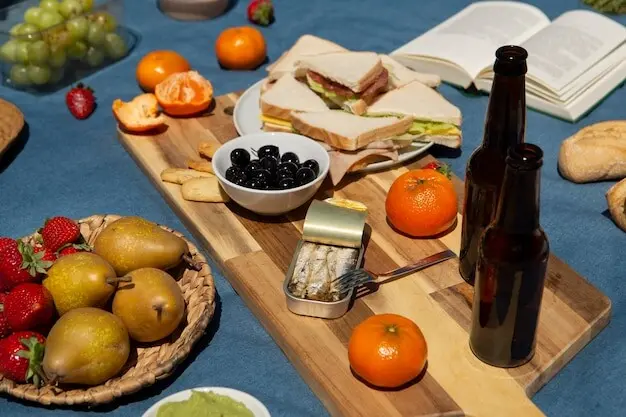
Menus for Real Kitchens, Season by Season
Community and Continuity: Your Notes Belong Here
Lessons from Elders, Held Lightly
Markets as Classrooms and Meeting Places
All Rights Reserved.